
Lenovo 4XG0H12085 CPU_BO TS Intel E5-2630 v3 2,4 GHz 8C 85W
Zubehör
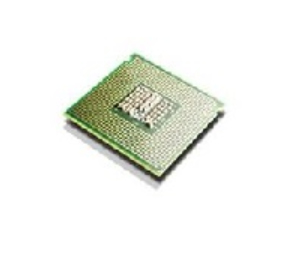
Lenovo 4XG0H12085 CPU_BO TS Intel E5-2630 v3 2,4 GHz 8C 85W
| Lieske-Nr. | 1545690 |
|---|---|
| Hersteller-Nr. | 4XG0H12085 |
| EAN-Code | |
| Hersteller | Lenovo |
| bei uns nur | 1.268,05 EUR
1.508,98 EUR inkl. MwSt.
|
Weitere Informationen zu Lenovo 4XG0H12085 CPU_BO TS Intel E5-2630 v3 2,4 GHz 8C 85W
| Betriebsbedingungen | |
| Tcase | 72,1 °C |
| Grafik | |
| Eingebaute Grafikadapter | |
| Merkmale | |
| Marktsegment | Server |
| PCI-Express-Slots-Version | 3.0 |
| Unterstützte Befehlssätze | AVX 2.0 |
| Skalierbarkeit | 2S |
| CPU Konfiguration (max) | 2 |
| Execute Disable Bit | |
| Leerlauf Zustände | |
| Thermal-Überwachungstechnologien | |
| Physical Address Extension (PAE) | |
| Eingebettete Optionen verfügbar | |
| Prozessor | |
| Prozessor | E5-2630V3 |
| Grundfrequenz des Prozessors | 2,4 GHz |
| Prozessorfamilie | Intel® Xeon® E5 v3 |
| Anzahl Prozessorkerne | 8 |
| Prozessorsockel | LGA 2011 (Socket R) |
| Komponente für | Server/Arbeitsstation |
| Prozessor Lithografie | 22 nm |
| Prozessor-Threads | 16 |
| Systembus-Rate | 8 GT/s |
| Prozessorbetriebsmodi | 64-Bit |
| Prozessor Boost-Frequenz | 3,2 GHz |
| Prozessor-Cache | 20 MB |
| Prozessor Cache Typ | L3 |
| Thermal Design Power (TDP) | 85 W |
| VID Spannungsbereich | 0,65 - 1,30 V |
| Stepping | R2 |
| Anzahl der QPI links | 2 |
| Durch den Prozessor (max) unterstützte Speicherbandbreite | 59 GB/s |
| Prozessor Besonderheiten | |
| Intel® Turbo-Boost-Technologie | 2.0 |
| Intel® Hyper-Threading-Technik (Intel® HT Technology) | |
| Intel® Identity-Protection-Technologie (Intel® IPT) | |
| Intel® Flex Memory Access | |
| Intel® AES New Instructions (Intel® AES-NI) | |
| Verbesserte Intel SpeedStep Technologie | |
| Intel® Trusted-Execution-Technik | |
| Intel® VT-x mit Extended Page Tables (EPT) | |
| Intel® Sicherer Schlüssel | |
| Intel® TSX-NI | |
| Intel® OS Guard | |
| Intel® Virtualization Technologie (VT-X) | |
| Intel® Virtualisierungstechnik für direkte I/O (VT-d) | |
| Intel® vPro™ Platform Eligibility | |
| Sonstige Funktionen | |
| Intel® Virtualisierungstechnik (Intel® VT) | VT-d, VT-x |
| Speicher | |
| Maximaler interner Speicher, vom Prozessor unterstützt | 768 GB |
| Speichertypen, vom Prozessor unterstützt | DDR4-SDRAM |
| Speichertaktraten, vom Prozessor unterstützt | 1600,1866 MHz |
| Speicherkanäle | Vierfach-Kanal |
| ECC | |

Dies ist ein Angebot von:
79279 Vörstetten
https://industry-electronics.de
Tel. 07666/88499-0
Fax. 07666/88499-111
Diesen Artikel finden Sie unter:
industry-electronics.de/artikel/1545690

Lieske Elektronik e.K.
Reutener Str. 1079279 Vörstetten
https://industry-electronics.de
Tel. 07666/88499-0
Fax. 07666/88499-111
Diesen Artikel finden Sie unter:
industry-electronics.de/artikel/1545690