
Lenovo 4XG7A86599 CHIP THINKSYSTEM SR850 V3 Intel Xeon
Computer-Komponenten > Prozessoren > Server-Kits
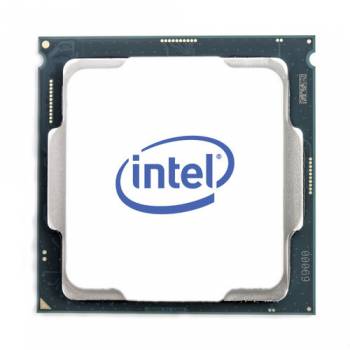
Lenovo 4XG7A86599 CHIP THINKSYSTEM SR850 V3 Intel Xeon
| Lieske-Nr. | 1138185 |
|---|---|
| Hersteller-Nr. | 4XG7A86599 |
| EAN-Code | 0889488677719 |
| Hersteller | Lenovo |
| bei uns nur | 10.199,47 EUR
12.137,37 EUR inkl. MwSt.
|
Weitere Informationen zu Lenovo 4XG7A86599 CHIP THINKSYSTEM SR850 V3 Intel Xeon
| Betriebsbedingungen | |
| Tcase | 76 °C |
| DTS Max | 93 °C |
| Grafik | |
| Eingebautes Grafikkartenmodell | Nicht verfügbar |
| Separates Grafikkartenmodell | Nicht verfügbar |
| Eingebaute Grafikadapter | |
| Separater Grafikadapter | |
| Merkmale | |
| Marktsegment | Server |
| Nutzungsbedingungen | Server/Enterprise |
| Maximale Anzahl der PCI-Express-Lanes | 80 |
| PCI-Express-Slots-Version | 5.0 |
| Unterstützte Befehlssätze | AMX, AVX, AVX 2.0, AVX-512, SSE4.2 |
| Skalierbarkeit | S8S |
| Execute Disable Bit | |
| Prozessor | |
| Prozessorhersteller | Intel |
| Prozessorgeneration | Intel Xeon Scalable 4th Gen |
| Prozessor | 8450H |
| Grundfrequenz des Prozessors | 2 GHz |
| Prozessorfamilie | Intel® Xeon® Platinum |
| Anzahl Prozessorkerne | 28 |
| Prozessorsockel | LGA 4677 (Socket E) |
| Prozessor Lithografie | 10 nm |
| Prozessor-Serien | Intel Xeon Platinum 8000 Series |
| Prozessor-Threads | 56 |
| Systembus-Rate | 16 GT/s |
| Prozessorbetriebsmodi | 64-Bit |
| Prozessor Boost-Frequenz | 3,5 GHz |
| Kerne mit hoher Priorität | 8 |
| Frequenz des Kerns mit hoher Priorität | 2,1 GHz |
| Kerne mit niedriger Priorität | 20 |
| Frequenz des Kerns mit niedriger Priorität | 1,7 GHz |
| Prozessor-Cache | 75 MB |
| Thermal Design Power (TDP) | 250 W |
| Stepping | E5 |
| Prozessor Codename | Sapphire Rapids |
| Kühler enthalten | |
| Prozessor Besonderheiten | |
| Intel® Turbo-Boost-Technologie | 2.0 |
| Unterstützung der maximalen Enklavengröße für Intel® SGX | 512 GB |
| AVX-512 Abgesicherte Multiply-Add (FMA) Einheiten | 2 |
| Intel® Data Streaming Accelerator (DSA) | 4 default devices |
| Intel® In-memory Analytics Accelerator (IAA) | 4 default devices |
| Intel® Hyper-Threading-Technik (Intel® HT Technology) | |
| Intel® AES New Instructions (Intel® AES-NI) | |
| Intel® Trusted-Execution-Technik | |
| Intel®-Speed-Shift-Technologie | |
| Intel® Transactional Synchronization Extensions | |
| Intel® Total Memory Encryption | |
| Intel® Control-flow Enforcement Technology (CET) | |
| Intel® Crypto-Beschleunigung | |
| Unterstützung der Intel® Plattform-Firmware Resilience | |
| Intel® VT-x mit Extended Page Tables (EPT) | |
| Intel® OS Guard | |
| Intel® Software Guard Extensions (Intel® SGX) | |
| Intel® 64 | |
| Intel® Virtualization Technologie (VT-X) | |
| Intel® Virtualisierungstechnik für direkte I/O (VT-d) | |
| Intel® Boot Guard | |
| Intel® Deep Learning Boost (Intel® DL Boost) on CPU | |
| Intel® Speed Select-Technologie - Leistungsprofil (Intel® SST-PP) | |
| Intel® Resource Director Technology (Intel® RDT) | |
| Intel® Run Sure Technology | |
| Modusbasierte Execute Control (MBE) | |
| Intel® Optane™ DC Persistent Memory unterstützt | |
| Intel® Speed Select Technology - Base Frequency (Intel® SST-BF) | |
| Intel® QuickAssist Software Acceleration | |
| Aktivierung von Intel® On Demand-Funktionen | |
| Intel® Advanced Matrix Extensions (AMX) | |
| Speicher | |
| Maximaler interner Speicher, vom Prozessor unterstützt | 4 TB |
| Speichertypen, vom Prozessor unterstützt | DDR4-SDRAM |
| Speicherkanäle | Okta-Kanal |
| ECC | |
| Technische Details | |
| Anzahl der UPI-Links | 4 |

Dies ist ein Angebot von:
79279 Vörstetten
https://industry-electronics.de
Tel. 07666/88499-0
Fax. 07666/88499-111
Diesen Artikel finden Sie unter:
industry-electronics.de/artikel/1138185

Lieske Elektronik e.K.
Reutener Str. 1079279 Vörstetten
https://industry-electronics.de
Tel. 07666/88499-0
Fax. 07666/88499-111
Diesen Artikel finden Sie unter:
industry-electronics.de/artikel/1138185